UK Casino Complaints and Withdrawal Dispute Resolution
 Available in GB
Related account checks: full overview, payments, ID checks and withdrawals, bonus and balance terms, licence checks, self-exclusion support.
Table of Contents
Documenting UK Casino Bonus and Withdrawal Disputes
A complaint becomes clearer when it is described as one main issue. Common gambling account complaints include payment management, terms and conditions, bonus offers, identity verification, account closure, cancelled or voided bets, technical problems and customer-service handling. Several of these may appear in the same dispute, but the complaint should still lead with the part that caused the practical harm.
For example, a delayed withdrawal is not the same as a bonus-term dispute. A request for more identification is not the same as an account closure, even if both happen close together. Naming the issue helps you collect the right evidence and prevents the complaint from becoming a long emotional message that is hard for the business or a dispute body to review.
Use neutral wording. “My withdrawal of this amount was requested on this date and has not been paid” is easier to test than “the site is a scam.” “The bonus term being applied to my deposit balance appears unclear” is easier to handle than a general claim that the promotion was unfair. You do not need to make a legal conclusion to ask for an explanation, a decision or the records behind it.
Complaint route and evidence checklist
| Stage | What to do | Evidence to keep | Why it matters |
|---|---|---|---|
| Before sending the complaint | Write down the main issue and the outcome you are asking the business to consider. | Account ID, username, transaction IDs, dates, amounts and screenshots of relevant pages. | A specific request is easier to answer and harder to dismiss as general dissatisfaction. |
| Terms and bonus review | Save the terms that were active when the deposit, bonus or withdrawal decision happened. | Bonus wording, wagering conditions, withdrawal rules, fee wording and account messages. | Disputes often turn on the wording that applied at the time, not later summaries. |
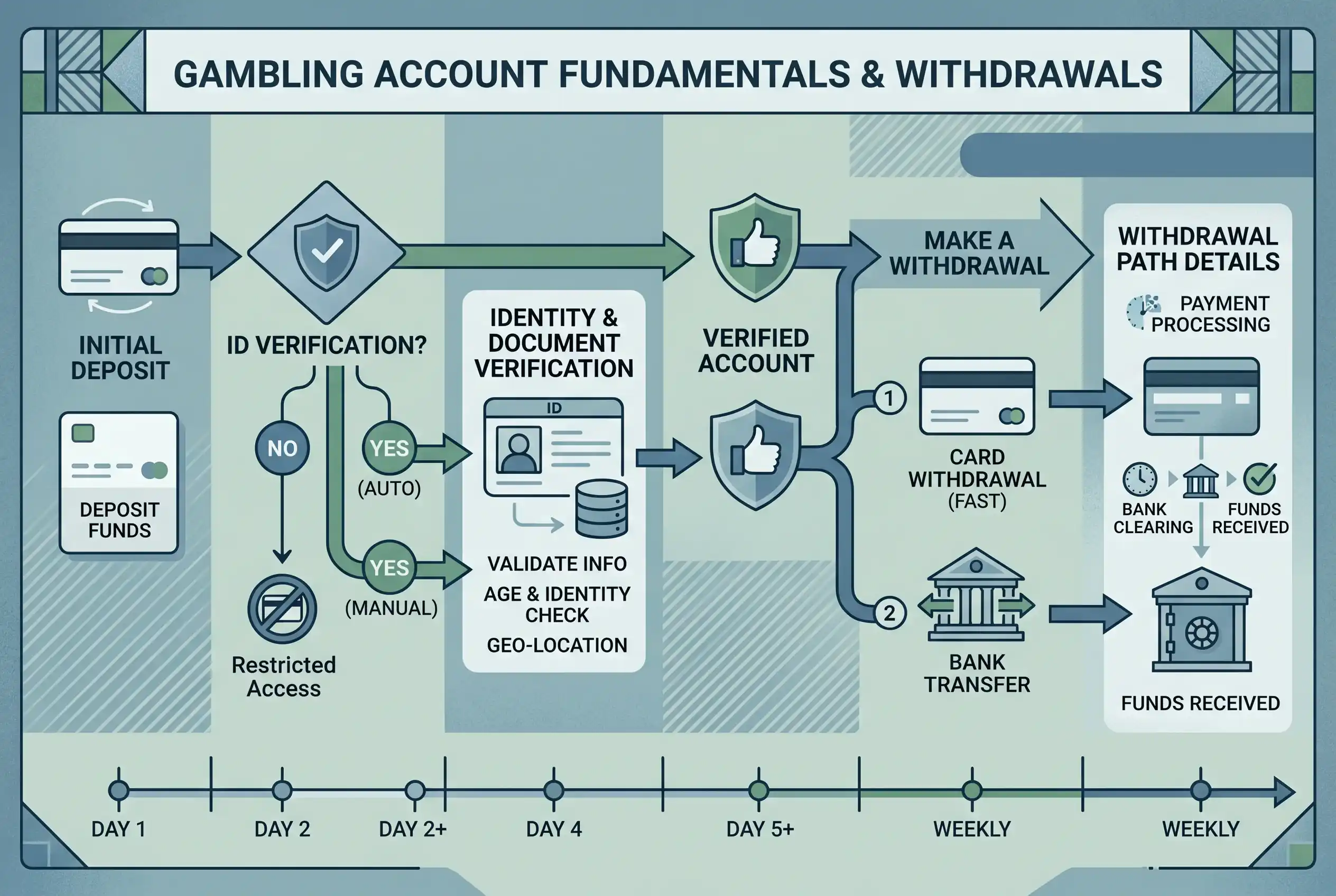
| Identity or verification issue | Record what was requested, when it was requested and how you submitted it. | Request emails, secure message records, upload confirmations and response dates. | It separates a normal verification step from a communication or delay problem. |
| Business complaint | Complain directly to the gambling business using its stated procedure. | Your complaint, acknowledgement, reference number and all replies. | Official guidance expects the business process to be used first. |
| Possible ADR stage | If the complaint remains unresolved after the business process and 8 weeks have passed, check whether an independent ADR provider can consider it. | Final response, deadlock letter if provided, timeline and evidence bundle. | ADR may be free and independent, but it does not accept every type of complaint. |
Do not edit screenshots or remove surrounding context. A clean record is more useful than a dramatic record. Keep copies of your own messages as well as the business replies, because the timing of each step can matter.
Many disputes arise from misunderstood promotional offers, so it is crucial to review the bonus terms, deposit balance and customer-funds protection policies carefully.
Complain to the business first
Official guidance directs consumers to complain to the gambling business first. That means using the company’s complaint procedure, not only sending a chat message during a live support conversation. The complaint should include the account details needed to identify the matter, a concise timeline and the outcome you are asking the business to consider.
A strong complaint is usually shorter than people expect. It should state the problem, list the key dates, identify the relevant amount or account decision, attach or refer to supporting records and ask for a written response. Avoid threats, insults, long speculation about motives or demands for a result that cannot be supported by the records you have. The purpose is to create a clear file that can be reviewed.
If the business replies with a reason, read it against the terms, account information and records you kept. If the reason refers to a bonus, move back to the exact bonus wording. If it refers to identity verification, check the dates and messages. If it refers to account closure or security, ask what part of the decision can be explained to you in writing. You may not receive every internal detail, but a clear request gives you a better record than repeated informal messages.
What the 8-week ADR point means
If the matter is not resolved through the business complaint process and 8 weeks have passed, official guidance says a complaint may be taken to a free independent Alternative Dispute Resolution provider. This is not the same as a guarantee that the provider will accept the case or decide in your favour. ADR providers have limits, and not every complaint type is suitable for them.
The practical point is timing and evidence. Before the 8-week point, the business complaint route normally remains the first path. After that point, gather the business’s final response, any complaint reference, the timeline and the evidence bundle. Then check the ADR details given by the business or in the account information. The better organised your material is, the easier it is for an independent reviewer to see what happened.
Do not treat ADR as a threat to paste into every message. It works better as an escalation step when the business route has been used and the issue remains unresolved. If the complaint is about a subject ADR cannot consider, you may still want to keep your records, but expectations should stay realistic.
Where the Gambling Commission fits
The Gambling Commission regulates licensed gambling businesses, but it is not an ombudsman for individual transactions. Official information explains that it does not resolve individual complaints, settle transaction disputes or help customers get money back. That distinction matters because sending a withdrawal dispute to the regulator is not the same as using the business complaint procedure or ADR route.
This does not make the regulator irrelevant. Its public information can help you understand licence checks, account information, complaint expectations and regulatory boundaries. If a matter suggests broader non-compliance, the regulator may be interested in intelligence, but that is different from recovering a specific balance for one customer. For your own dispute, focus on the business procedure, evidence and ADR eligibility.
When the issue points back to another check
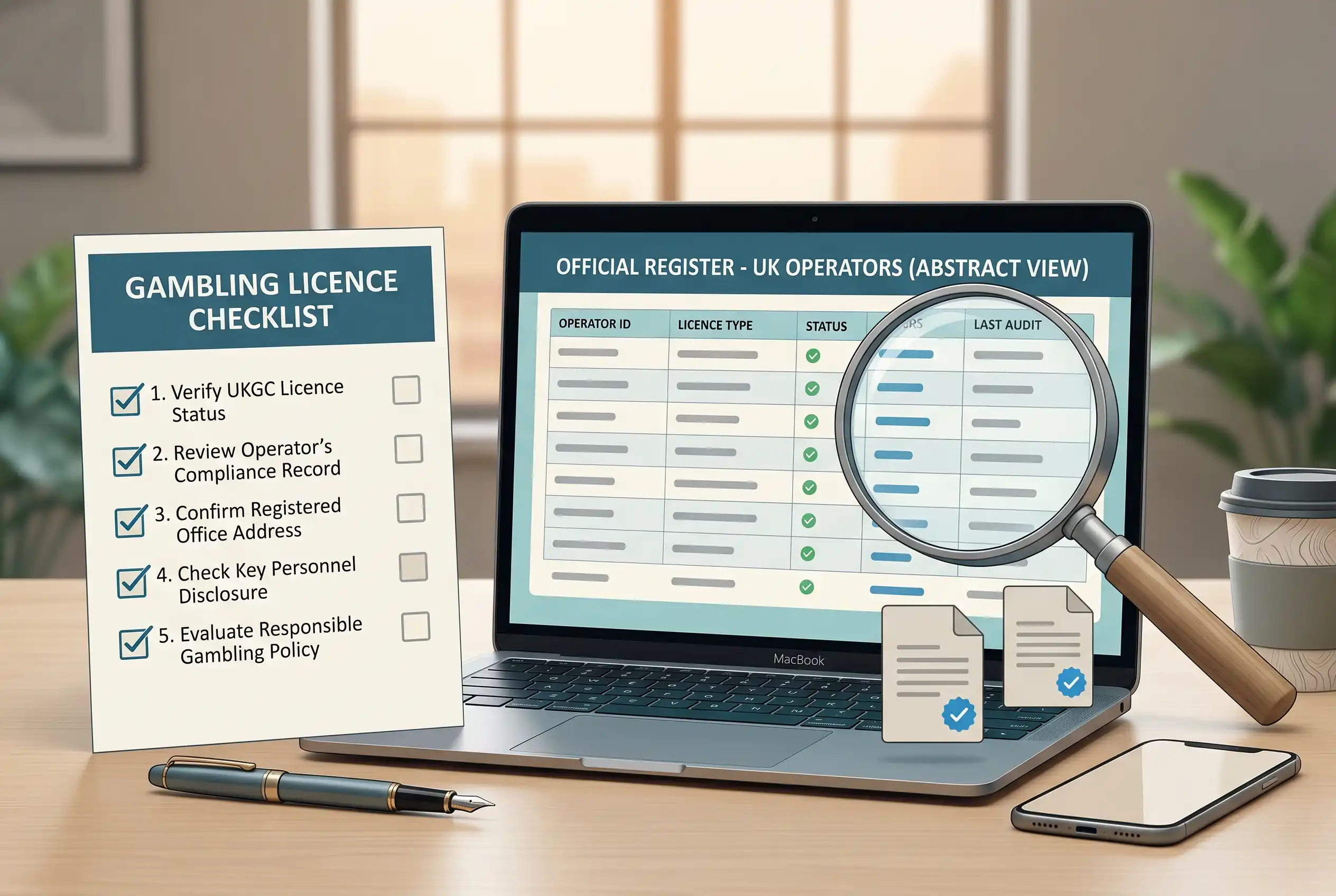
Some disputes reveal a check that should have been done earlier. If the complaint concerns the business identity, use the licence-check guide to compare names, domains and official records. If it concerns a withdrawal delay, identity request or payment channel, the payments and ID guide explains why those issues need to be separated. If it concerns bonus wording, deposit balance or customer-funds protection, the terms and balance guide is the closer match.
If the complaint is happening while you are trying to gamble despite a self-exclusion, bank block or other protection, treat the distress as a separate safety signal. A complaint file can still be organised, but continuing to search for another place to play is unlikely to help. The support guide explains protective options without giving access routes around them.
Official pages for complaint steps
- Complain about a gambling business for the business-first complaint route.
- Taking your complaint to an ADR provider for the 8-week point and ADR limits.
- Information companies must give you about your account for complaint and account-information expectations.
- Common enquiries from gambling customers for what the regulator can and cannot do.
Complaint route questions to settle
Can I go straight to the regulator to get my money back?
No. The regulator is not an ombudsman for individual transaction complaints. Use the business complaint procedure and, where eligible, the ADR route.
Should I keep playing while a complaint is open?
That is usually unhelpful. It can complicate the timeline and may increase harm if the dispute is linked to pressure to gamble. Consider pausing and using support if the situation feels difficult to control.
What if the site has no clear complaint route?
Record that fact, keep the available evidence and return to the licence and business-identity checks. A missing complaint route is a serious practical warning sign before depositing and a problem if a dispute has already started.
To avoid these issues entirely, stick to the verified platforms recommended by our trusted non-GAMSTOP casino safety portal.
Created by the "Casino not on Gamstop" editorial team.