UK Casino Data Security Checks and Account Privacy Rules
 Available in GB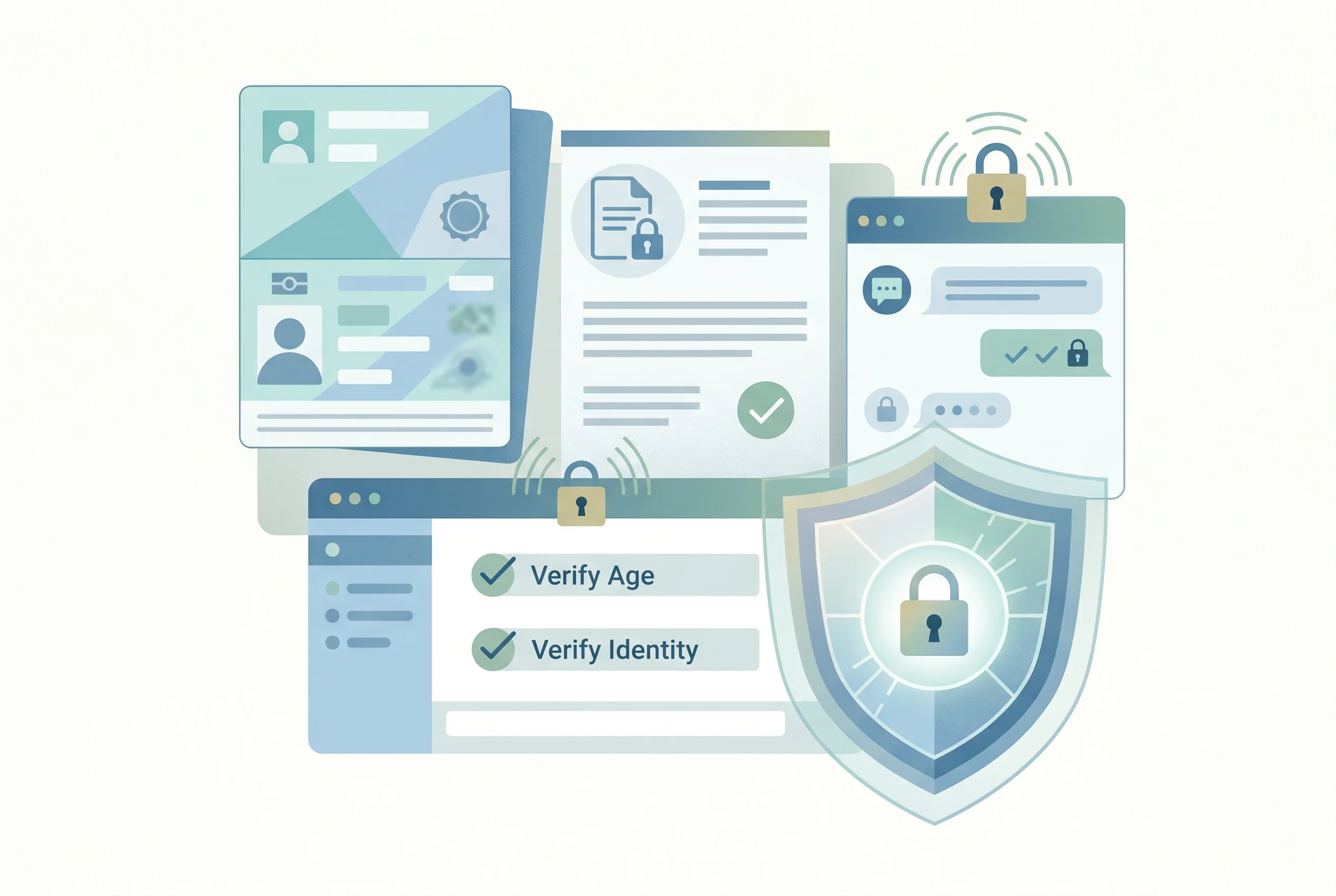
Related checks: full overview, licence checks, payments, ID checks and withdrawals, self-exclusion support, complaints and ADR.
Table of Contents
- The Role of Identity Verification and KYC in UK Casinos
- Data and document safety map
- No-ID claims are not automatically safer
- How to reduce unnecessary exposure
- Third-party sharing and privacy notices
- When a data issue becomes an account dispute
- Official pages for privacy and document checks
- Document and privacy safety notes
The Role of Identity Verification and KYC in UK Casinos
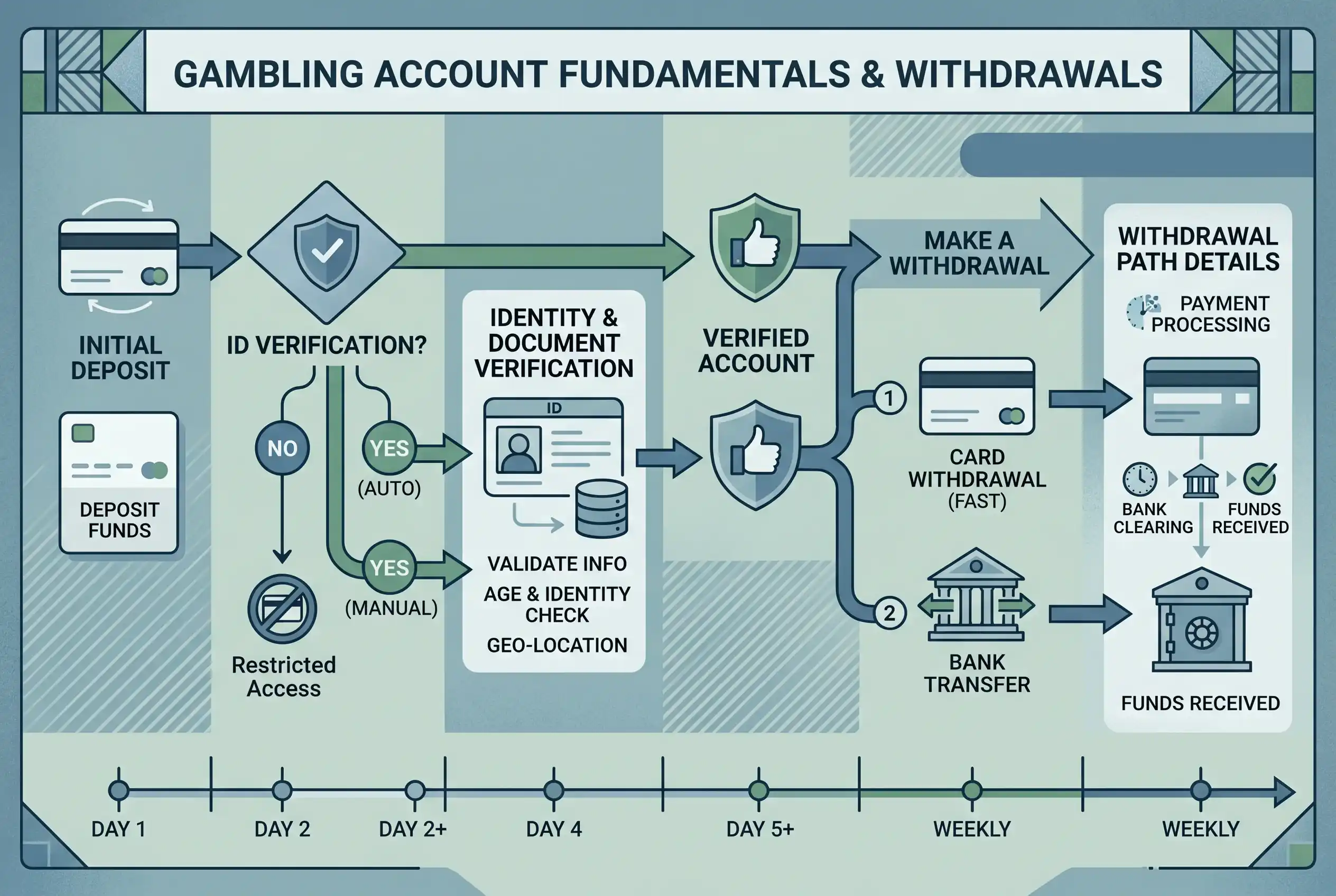
Official Gambling Commission information for consumers explains that online gambling businesses must verify age and identity before gambling. Those checks relate to age, identity confirmation and self-exclusion. Casino anti-money-laundering and customer due diligence duties can also require risk-based verification and ongoing monitoring in specified situations.
That does not mean every request is automatically safe or reasonable. It means that the existence of an ID check, by itself, is not a red flag. The red flag is an unclear request from an unclear business, sent through an insecure channel, without a plain explanation of why the information is needed or how it will be used. The correct response is to verify the business and the request, not to search for ways around the check.
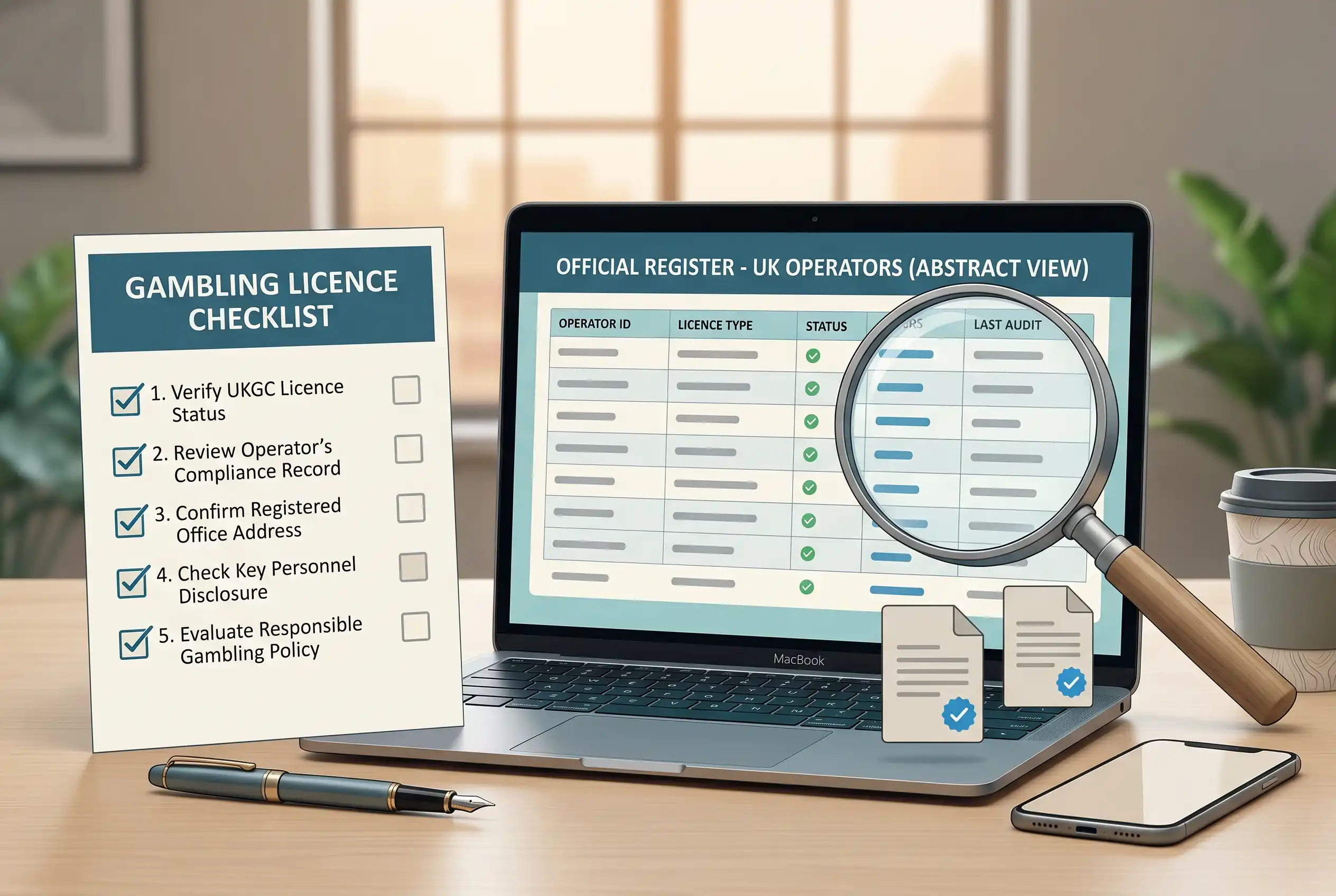
If you have not verified the business behind the site, do that first. The licence-check guide explains how to compare names, domains and official records. Sharing documents before you know who operates the account is a different risk from complying with a clear request from a verified business.
Data and document safety map
| Question | What to check | Why it matters | Warning sign |
|---|---|---|---|
| Who is asking? | Business name, trading name, domain and account details. | You should know which organisation is collecting your information. | The site uses only a brand name, a chat handle or a third-party message with no clear link to the account. |
| Why is it needed? | The stated purpose, such as age, identity, payment, account security or risk-based checks. | A clear purpose helps you judge whether the request matches the account issue. | The request is vague, urgent or unrelated to the account activity being discussed. |
| How should it be sent? | Secure account upload, secure message centre or another channel explained by the business. | Documents contain sensitive information and should not be casually sent to unknown contacts. | A support agent asks for documents through an unrelated personal account or informal messaging route. |
| What privacy information is available? | Privacy notice, data-security statement, third-party sharing information and contact route. | UK data protection principles require appropriate security measures and clear handling of personal data. | No privacy notice, no explanation of sharing, or broad permission for unknown third parties. |
| What record should you keep? | Date of request, documents requested, submission route and response. | Records help if the request becomes part of a withdrawal, closure or complaint issue. | The business changes the request repeatedly without explaining what is missing. |
| What rights may matter? | Subject-access route and contact details for personal-data questions. | ICO guidance explains that individuals have subject-access rights. | The business gives no practical route for data questions or access requests. |
This map is not a way to defeat checks. It is a way to avoid sending sensitive information into a situation you have not verified.
No-ID claims are not automatically safer
A claim that a gambling site has no identity checks can sound attractive when a reader is worried about privacy. In this topic, it should be treated cautiously. Age, identity, self-exclusion and risk-based financial checks can be part of player protection, crime prevention and account security. A promise to remove all friction may also remove safeguards that help prove who owns the account, where the money came from and what happened when a dispute starts.
There is also a practical records problem. If a business advertises anonymous play but later asks for documents before a withdrawal, the reader may be left with a mismatch between marketing and account reality. The issue is not simply whether a request appears early or late. It is whether the rules are stated clearly before deposit and whether the business can be verified.
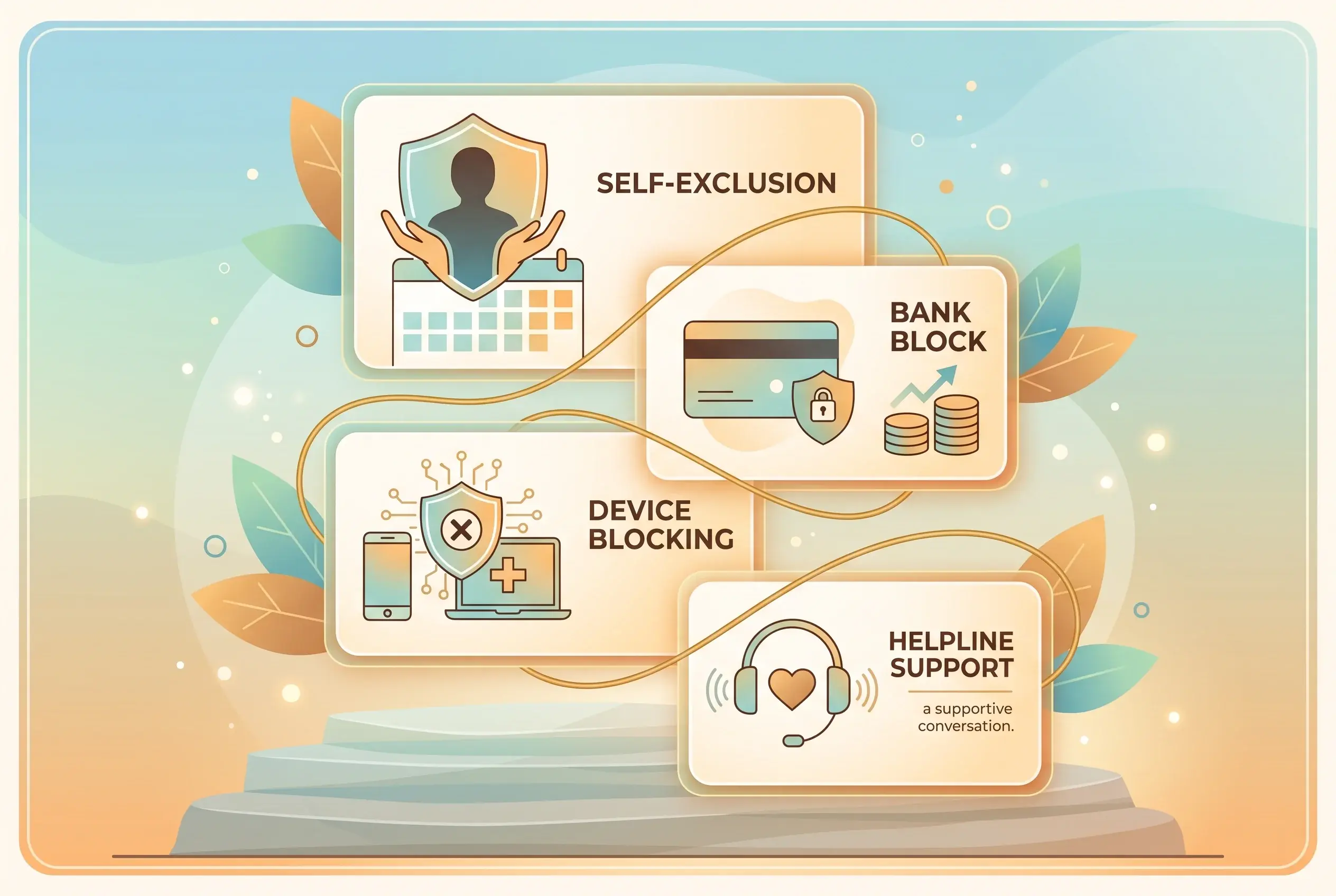
If your main reason for wanting no checks is that you are trying to gamble during a self-exclusion or block, pause the account search. That situation belongs with protective support, not with a data workaround. The support guide covers safer next steps.
If you feel that your gambling habits are becoming unmanageable, it is highly recommended to explore protection options and support if you are looking past GAMSTOP.
How to reduce unnecessary exposure
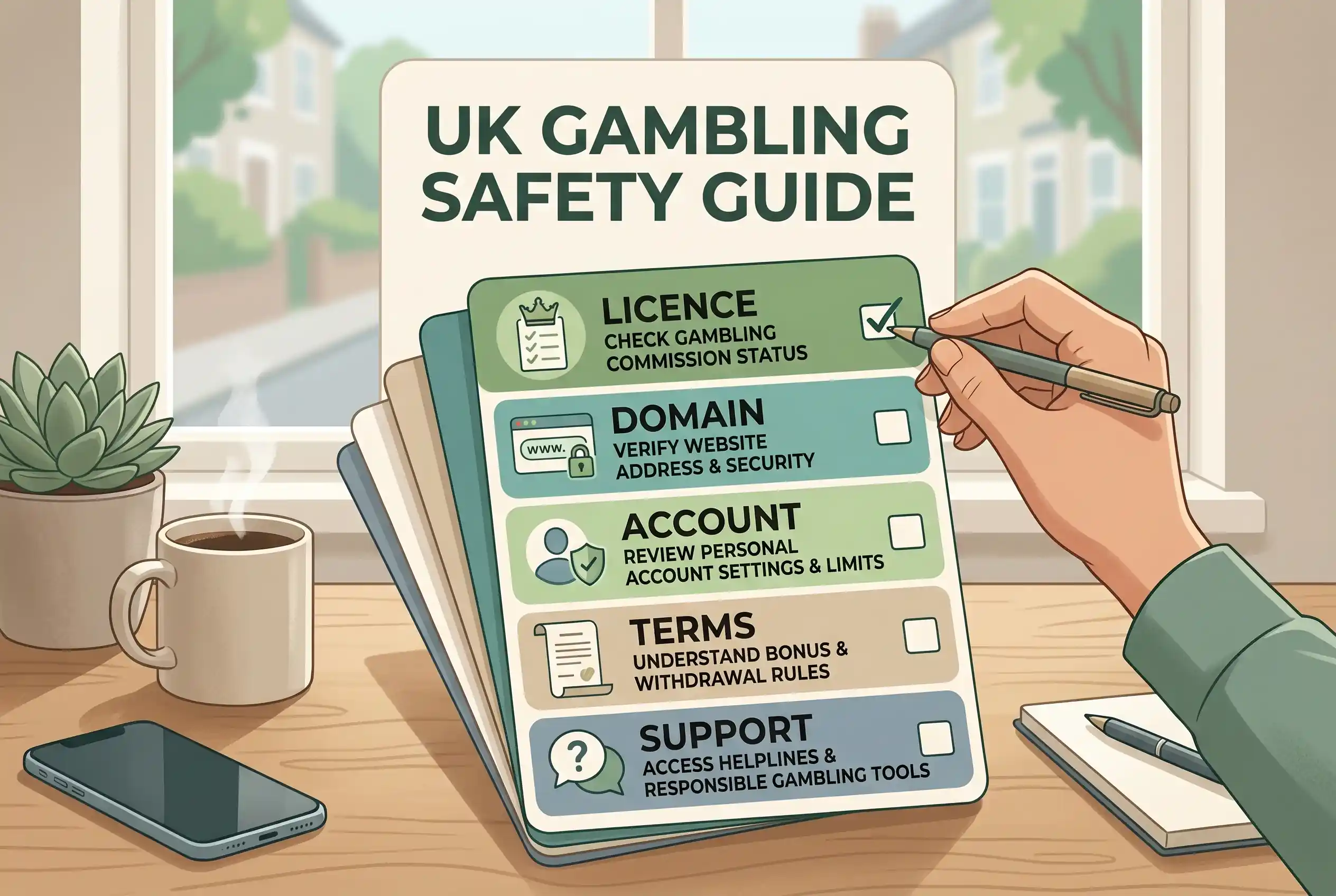
Reducing data exposure means being careful, not evasive. First, verify the business and domain before sending anything. Second, use the secure channel stated by the account, rather than informal messages or unrelated contacts. Third, read the privacy notice and any information about third-party sharing. Fourth, keep a record of what was requested and when it was submitted. Fifth, ask for clarification if the request is unclear or appears unrelated to the account decision.
Do not send extra documents that have not been requested simply because you are frustrated. Do not send sensitive material to a person who cannot be tied to the account or business. Do not assume that a payment logo, a licence-looking badge or a polished upload screen proves the whole business is legitimate. Verification starts with business identity, not with the appearance of a form.
If you are uncomfortable with a request, the safest wording is calm and specific: ask what information is needed, why it is needed, which secure channel should be used and where the privacy information is available. Keep the reply. If the issue later becomes a complaint, that record will matter.
Third-party sharing and privacy notices
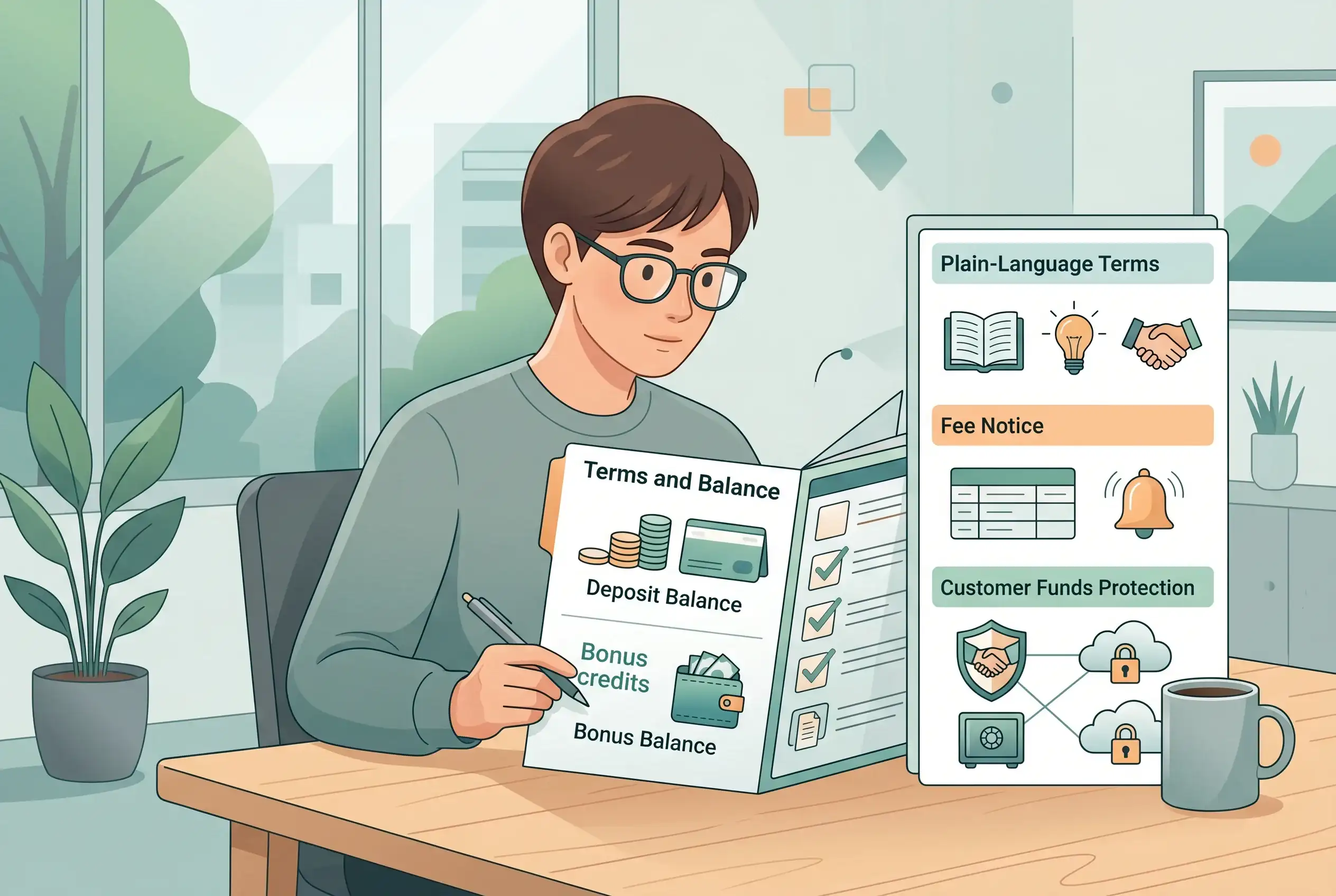
Gambling accounts may involve third parties for identity checks, payment processing, fraud prevention, compliance, support or technical services. Gambling Commission material covers personal information sharing with third parties and regulation alongside data-protection rules. For a reader, the practical step is to look for a privacy notice that explains categories of sharing in plain terms.
A privacy notice will not answer every operational question, and it is not a guarantee that a business behaves well. But the absence of clear privacy information is a warning sign. You should be able to see who is responsible for your data, why data is collected, who it may be shared with in broad categories and how to raise data questions. If the site cannot explain those basics, do not treat a data request as low risk.
For personal-data rights, the Information Commissioner’s Office explains subject-access rights. A subject-access request is not a shortcut to a withdrawal, and it is not the same as a gambling complaint. It is a data-rights route for asking for personal information held about you. Use it for the right purpose and keep complaint issues separate.
When a data issue becomes an account dispute
Data and ID questions often overlap with withdrawals. A business may ask for documents before processing a withdrawal, or a customer may believe the request is unreasonable. The first step is to separate the questions. Is the business verified? Was the possibility of checks explained? What exactly was requested? Which channel was used? What response did the business give? Which balance or payment is affected?
If the issue remains unresolved, use the complaints and ADR guide to organise dates, messages and evidence. If the payment or withdrawal process itself is the main problem, use the payments and ID guide as the closer match. If the issue is that the business identity is unclear, go back to the licence-check guide before sending more information.
Official pages for privacy and document checks
- Age, ID and financial verification for the consumer explanation of checks.
- Customer due diligence requirements for AML and CDD context.
- ICO guide to data security for personal-data security principles.
- ICO guide to subject access for subject-access rights.
- Sharing personal information with third parties for gambling-specific public guidance.
Document and privacy safety notes
Is it safer to use a site that says it never asks for ID?
Not necessarily. In gambling, identity and age checks can be connected to protection, account security and legal duties. A no-ID claim can be a warning sign if it is used to avoid normal safeguards.
Should I send documents through live chat?
Use only a secure channel that the verified business identifies for document submission. If a request comes through an informal or unrelated contact, ask for the secure official route before sending anything.
Can a subject-access request solve a withdrawal dispute?
No. A subject-access request is about personal data held about you. A withdrawal dispute should be handled through the business complaint route and, where eligible, ADR.
We strongly encourage players struggling with control to utilize the resources listed on the safe casinos outside GAMSTOP hub rather than seeking risky loopholes.
Created by the "Casino not on Gamstop" editorial team.